
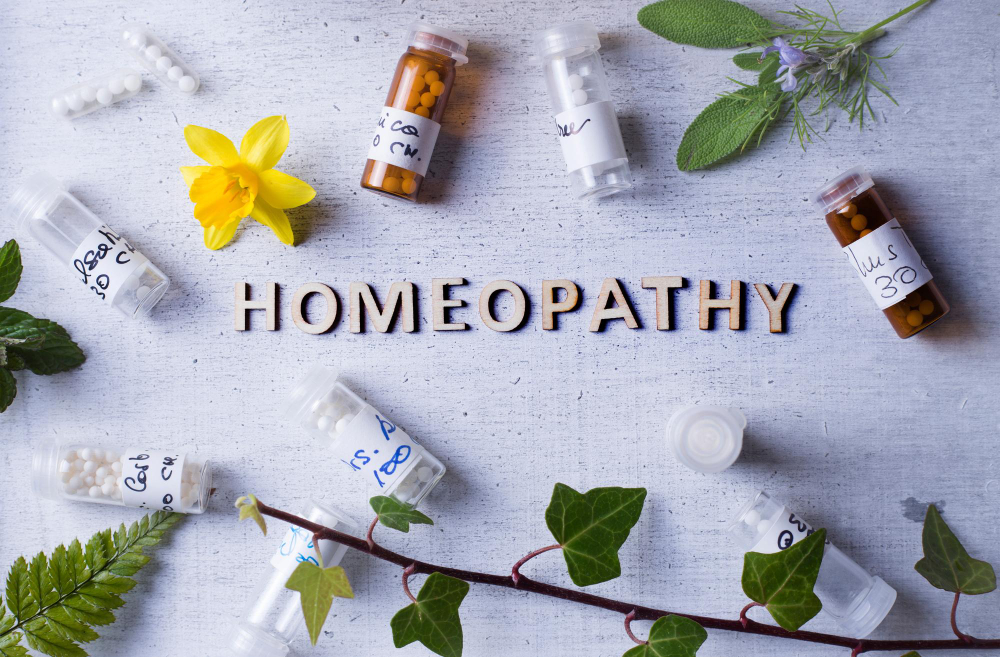
Insulin resistance is a common health issue where the body does not respond well to insulin. This can lead to high blood sugar and other health problems. Many people look for natural remedies for insulin resistance. Homeopathy for insulin resistance is gaining attention as a gentle, complementary approach. In this blog, we will explore what insulin resistance is, how homeopathy works, and if it is effective and safe. We will also share lifestyle tips to help manage this condition.
What is Insulin Resistance?
Insulin is a hormone that helps your body use sugar for energy. When you have insulin resistance, your cells do not respond well to insulin. As a result, your body needs more insulin to keep blood sugar levels normal. Over time, this can lead to prediabetes or type 2 diabetes.
Common symptoms of insulin resistance include:
Because insulin resistance can increase the risk of heart disease and other problems, early management is important.
Understanding Homeopathy
Homeopathy is a natural system of medicine that uses very small amounts of natural substances. These remedies are chosen based on a person’s unique symptoms and overall health. Homeopathy works on the idea that “like cures like.” This means a substance that causes symptoms in a healthy person may help treat similar symptoms in someone who is sick.
Unlike conventional medicine, homeopathy looks at the whole person, not just the disease. For example, two people with insulin resistance may get different remedies based on their symptoms and lifestyle.
How Can Homeopathy Help with Insulin Resistance?
Some people turn to homeopathic treatment for insulin resistance as a gentle, natural option. Homeopaths may use remedies such as:
These remedies are selected based on each person’s symptoms. While some believe homeopathy may help balance the body, the exact way it works is not fully understood. Some suggest it may support the body’s natural healing process. However, more research is needed to explain how homeopathy affects insulin resistance.
Effectiveness and Scientific Evidence
Many people ask, “Is homeopathy effective for insulin resistance?” So far, scientific studies on homeopathy for insulin resistance are limited. Some small studies and case reports suggest possible benefits. For example, a few reports in peer-reviewed journals mention improved blood sugar control with certain homeopathic remedies. However, large, high-quality studies are lacking.
The World Health Organization (WHO) and the Centers for Disease Control and Prevention (CDC) recommend proven lifestyle changes and medications as the main treatments. While homeopathy may be used as a complementary approach, it should not replace standard care. More research is needed to confirm how well homeopathy works for insulin resistance.
Safety and Considerations
Homeopathic remedies are usually safe when used as directed. They are made from natural substances and are highly diluted. Side effects are rare, but some people may have mild reactions, such as skin rashes or stomach upset.
It is important to:
Never stop prescribed medicines without talking to your doctor first.
Lifestyle Tips for Managing Insulin Resistance
Besides homeopathic care, healthy habits can make a big difference. Here are some tips to help manage insulin resistance naturally:
These steps can support your body and may improve how it uses insulin.
Prevention and When to Seek Help
Preventing insulin resistance is possible with healthy choices. You can:
However, if you notice symptoms like extreme thirst, frequent urination, blurred vision, or unexplained weight loss, seek medical help right away. Early treatment can prevent serious problems.
Conclusion
In summary, homeopathy for insulin resistance is a natural approach that some people use alongside standard care. While some remedies may help, more research is needed to prove their effectiveness. Homeopathic remedies are usually safe but always talk to a healthcare professional before starting any new treatment. Remember, healthy habits and regular check-ups are key to managing insulin resistance. For personalized advice, consult your doctor or a qualified homeopathic specialist.